
8 Spotlight Questions for Employees That Actually Work
Ditch the boring surveys. Get our list of 8 practical spotlight questions for employees that build culture, plus tips on how to use them in your internal comms.
Dan Robin
We’ve all seen them. The employee spotlight that feels like a form someone filled out under duress. Name: Dave. Role: Accounting. Hobby: Hiking.
It checks a box for the internal newsletter, but it doesn’t make anyone care. It doesn’t help a warehouse picker on night shift feel connected to a support rep three states away, and it doesn’t help a new nurse understand who people really are beyond their titles.
That’s why spotlight questions for employees matter more than is often understood. Done well, they’re not fluff. They’re one of the simplest ways to make a company feel human across shifts, stores, sites, and screens. Recognition also has teeth. Employees who feel recognized are more likely to be engaged and less likely to look elsewhere, according to AIHR’s employee spotlight analysis and ChartHop’s recognition overview. But the questions have to do real work.
Most spotlight programs fail for a boring reason. They ask safe questions that produce forgettable answers.
The better approach is simple. Ask questions that uncover how someone got here, what they’re proud of, how they solve problems, and what keeps them connected to the work. Then publish those answers where people already are. In a team app, a news feed, a Space, a profile, or a short phone-shot video.
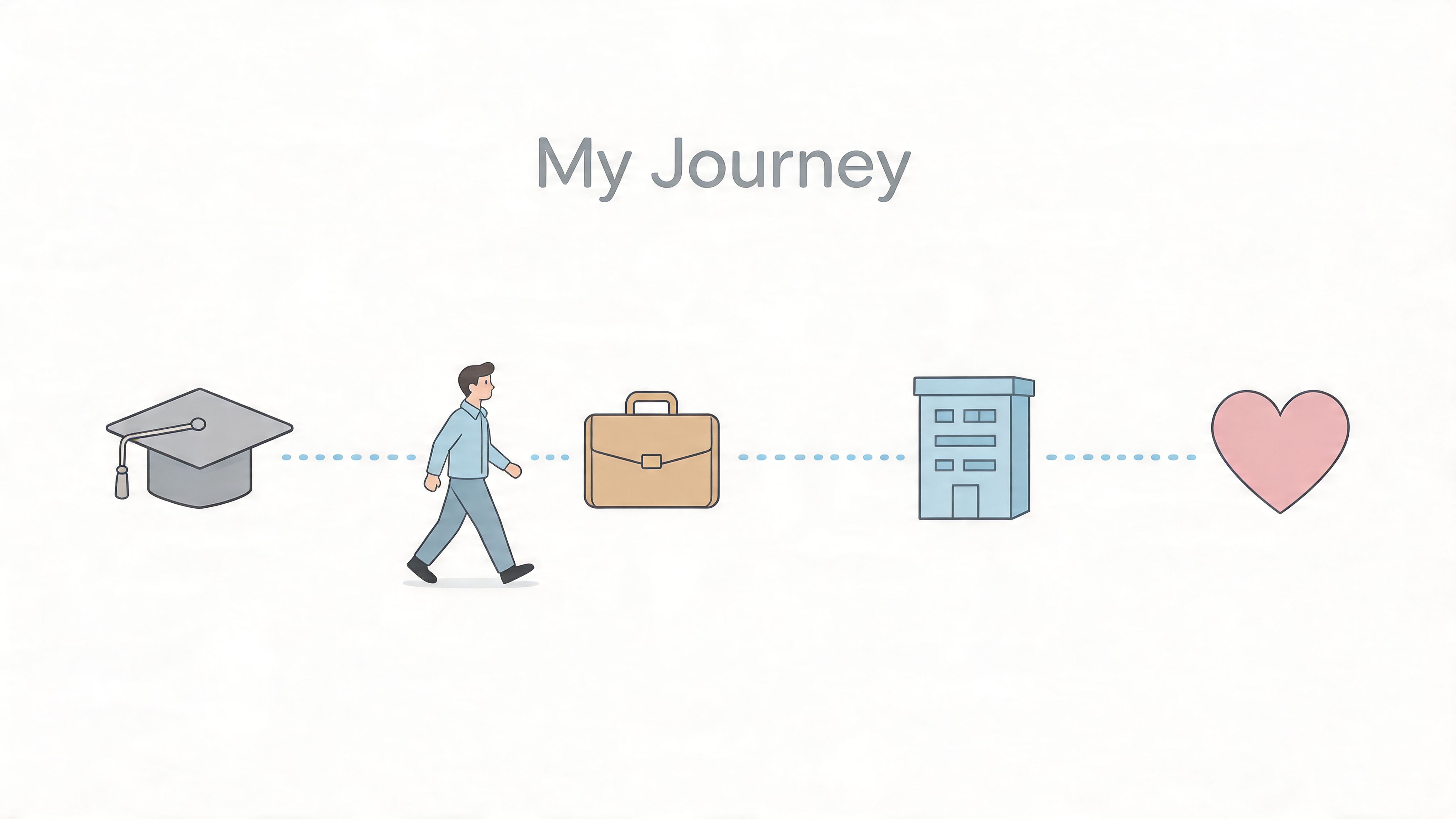
1. Tell Me About Your Journey and Role at Our Company
This is the best opening question because it gives people an easy on-ramp. They don’t have to brag. They just have to tell the truth about how they arrived here and what their work looks like.
That sounds basic, but it’s where a lot of connection happens. A charge nurse who started as a care assistant. A regional retail leader who began as a store associate. A warehouse supervisor who first joined as a driver. Those stories do more for culture than a polished values poster ever will.
What makes this one work
People want context. They want to know what someone does, how they grew, and what the role feels like from the inside. That’s especially useful in distributed companies where whole teams never meet face to face.
A good answer also gives newer employees a map. They start to see that careers don’t always move in straight lines. Sometimes the person running a department didn’t arrive with a perfect resume. They learned on the floor, on the shift, in the mess.
Ask for the path, not the polished version. You’ll get a better story.
In Pebb, this question works well as a short written post in the news feed paired with the employee’s profile. If you want more texture, record a quick video in a Space and let the person answer in their own words. Video helps because tone matters. A calm, thoughtful answer from someone on the frontline often lands better than a highly edited write-up.
A final note. Don’t only feature headquarters people. If your spotlights only travel upward, employees notice. Mix shifts, locations, tenure, and departments.
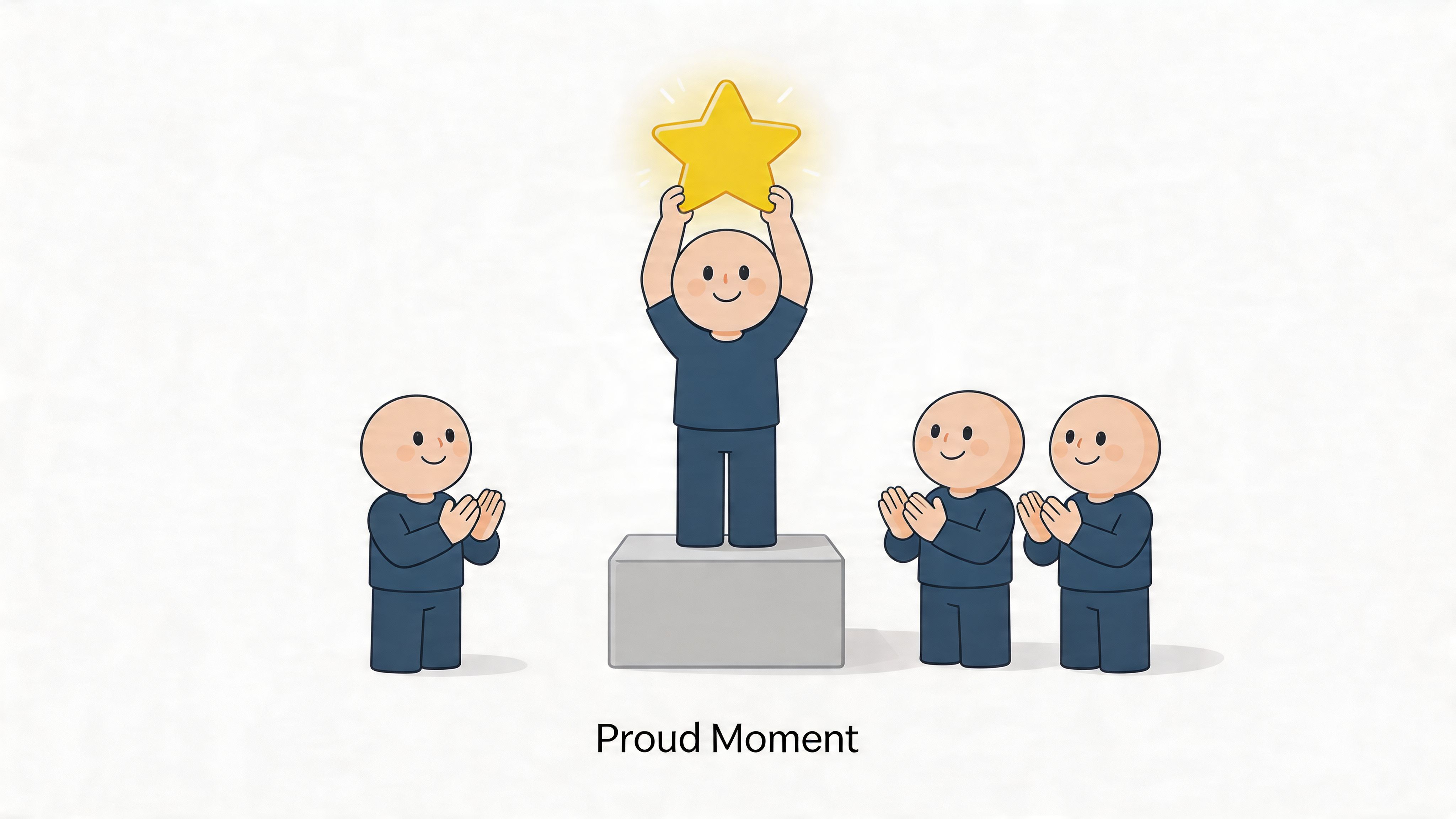
2. What’s Your Most Proud Professional Achievement or Success?
One of the clearest signs that a spotlight will feel real is the kind of success story it pulls out. Ask this question well, and you get more than a nice quote. You get proof of how good work occurs in your business.
The best answers are rarely about awards. They are about work that changed something for other people. A nurse who improved a handoff so patients stopped falling through the cracks. A store associate who kept service steady during a rough staffing week. A warehouse lead who fixed a broken process and gave the next shift a cleaner start.
Ask for the story behind the result
Employees, especially on frontline teams, often downplay their own contribution. They hear “achievement” and assume you want a promotion, a sales record, or a big public win. That is usually where spotlight answers get stiff.
A better prompt gives them room to talk about meaningful work without forcing self-promotion.
Ask for a specific improvement: “What’s something you helped make better?”
Ask what changed: “What was different after you stepped in?”
Ask who benefited: “How did it help customers, teammates, patients, or the next shift?”
Ask who helped: “Who else should get credit?”
That last question matters. It keeps the story grounded and usually makes it stronger.
I’ve seen this play out the same way across retail, healthcare, logistics, and field teams. If people feel they have to perform gratitude or sell themselves, they give you bland answers. If they can describe a real situation, a decision they made, and the outcome, the spotlight becomes worth reading.
This question also helps you avoid a common culture mistake. Leaders often celebrate visible wins and miss the operational ones. The employee who reduced rework, trained three new hires, or spotted a safety risk before it became an incident may not have a flashy story, but they often carry the standards of the team. Spotlighting that kind of contribution tells employees what the company values.
In Pebb, this works best as a short post with a sharp headline in the relevant team Space first. “How Maria fixed end-of-shift handoff issues in Receiving” will get more attention than “Employee achievement spotlight.” If the story has lessons another team can use, repost it to the main feed and invite comments. That is where spotlights start doing more than recognition. They start spreading useful habits across locations. If you want people to borrow the practice, link the story to your broader approach to improving team collaboration across departments and shifts.
One practical rule. Do not only feature the loudest people or the cleanest stories. A strong spotlight program includes quiet operators, overnight teams, and employees whose best work happens far from headquarters. That is how you build culture from the ground up instead of broadcasting it from the top.
3. How Do You Collaborate With Colleagues Across Departments or Shifts?
If you run frontline or distributed teams, this question pulls its weight fast. It surfaces the invisible work that keeps operations from falling apart.
A sales associate doesn’t succeed alone. They depend on stockroom support, shift leaders, and customer service. A nurse depends on pharmacy, labs, billing, and whoever is receiving the handoff. A logistics coordinator depends on clear communication between shifts, dispatch, and floor supervisors. Collaboration isn’t a soft extra. It’s the work.
Why this question is better than asking about teamwork
“Tell us about teamwork” gives you mush. “How do you collaborate across departments or shifts?” gets concrete answers. People talk about handoffs, group chats, checklists, shared files, and who they call when something goes sideways.
For teams trying to improve coordination, those stories are useful in a practical way. They show what good collaboration looks like. If you’re reworking your own habits, this guide on how to improve team collaboration is a helpful companion to the spotlight itself.
Practical rule: If an answer doesn’t mention another team by name, ask a follow-up.
This is also a good place to spotlight employees from less visible functions. The overnight stock team. The back-of-house crew. The payroll coordinator who makes sure the basics don’t break. When people read how work connects across departments, they stop seeing other teams as abstract.
For Pebb, I’d post this one in a Space where the linked groups already work together. Let comments do some of the culture work. You’ll often see people add context, thank each other, or point out a handoff that made their week easier. That’s the good stuff. Don’t overmanage it.
4. What Aspect of Company Culture Matters Most to You?
A few years ago, I ran an employee spotlight series for a distributed operations team. We started with the usual personal questions, and the posts got polite likes. Then we asked one technician what part of the company culture mattered most to him. He said, “Managers who answer the phone when a site issue hits at 6 a.m.” That single line told the company more than a page of values copy ever could.
That is why this question earns its place in the playbook.
Handled well, it shows what culture feels like in real working conditions, not what sounds good in a leadership deck. Frontline teams usually answer with things they can point to. Fair shift coverage. Respect from supervisors. Safe reporting. Flexibility when life gets messy. Clear communication during busy periods. Those answers are useful because they come from repeated experience.
If you need a practical definition before you use this prompt, what company culture means in practice lays it out clearly.
Ask for one part of culture, and ask why
The wording matters. “What aspect of company culture matters most to you?” works because it forces a choice. That choice reveals priority.
The follow-up is what makes the answer worth publishing. Ask, “What does that look like in your day-to-day work?” or “Can you share a recent example?” Without that second question, you get broad statements. With it, you get proof. A field employee might say culture means being trusted to make calls on site. A nurse might say it means coworkers stepping in before a shift gets unsafe. A warehouse associate might say it means supervisors listening when a process creates risk.
Those stories show employees what the company rewards. They also show leaders where the gap is. If people keep naming fairness, consistency, or respect, pay attention. They are telling you where culture is holding up and where it still needs work.
This question also helps fix a common spotlight mistake. Too many employee features stop at hobbies, fun facts, and favorite snacks. That content is fine in small doses. It does not build much for a distributed workforce that rarely shares the same room. Culture answers do. They give teams language for what good work feels like across sites, shifts, and roles.
On Pebb, post this in the company news feed if you want broad visibility. If the answer speaks to a specific group, such as store teams, drivers, or care staff, repost it in the relevant Space and ask one simple comment prompt: “What part of our culture helps you do your best work?” That usually gets thoughtful replies without making the thread feel forced.
One caution. Do not sanitize the answer until it sounds corporate. If an employee says, “I value managers who tell us the truth, even on bad days,” keep that edge. Spotlights only build ground-up culture when people recognize the voice as real.
5. Can You Share an Example of How You’ve Solved a Problem or Overcome a Challenge?
At this stage, spotlights stop being nice content and start becoming useful content.
Frontline employees solve problems all day. They reroute work when a truck is late, calm a customer situation before it escalates, adjust staffing on a bad shift, or find a workaround when a process breaks. Yet most internal spotlights ignore that practical intelligence. That’s a miss.
Ask for one real problem, not a life story
Keep this tight. Ask for a single example. What happened, what did you do, who was involved, and what changed afterward?
You’ll get better answers that way. A restaurant supervisor might talk about rebuilding service flow on a short-staffed night. A hospital team member might describe how they improved a handoff routine. A warehouse lead might share how they spotted a safety issue early and changed the process before someone got hurt.
That kind of story does two things at once. It recognizes the employee, and it teaches the rest of the team how good judgment looks under pressure.
For Pebb, the Knowledge Library becomes handy in such cases. If someone shares a fix that others can reuse, don’t leave it buried in a feel-good post. Turn it into a documented note, process reminder, or file attached in the relevant Space so the next team can benefit.
Capture the lesson: Add the story summary to your Knowledge Library.
Show the context: Attach a checklist, photo, or short note if it helps.
Follow up later: If the fix spread to other teams, revisit it in a future spotlight.
One caution. Don’t reward performative firefighting. If every “problem-solving” spotlight celebrates someone rescuing a broken system, you can accidentally glorify chaos. Recognize calm, repeatable improvements too. Those usually matter more.
6. What Skills or Knowledge Have You Developed Since Joining the Company?
One of the clearest signs of a healthy culture is simple. People can point to something they know now that they did not know on day one.
That answer carries more weight than a generic line about growth. It shows whether learning happens in the flow of work, especially on frontline and distributed teams where development often looks less formal and far more practical. A cashier learns inventory planning. A care worker gets stronger at patient communication. A warehouse team member becomes the person others trust to train new starters on a system or safety routine.
These are the stories people read closely because they answer a quiet question employees always have. Can I build a future here, or am I doing the same job a year from now with a different schedule?
Ask about capability, not course completion
Skip the checklist language. Ask what the person can do now, handle better, or teach someone else because of what they’ve learned since joining.
That wording gets you out of HR-speak fast.
“What can you do now that you couldn’t do when you started?” is usually the strongest version of this question. It invites concrete answers. It also helps you spotlight growth that never shows up in a certificate, such as handling a difficult customer, running a cleaner shift handoff, reading demand patterns, or coaching a newer teammate without being asked.
If you’re refining how your company supports learning on the job, this guide to workplace skill development strategies for growing teams is a useful companion.
In Pebb, post these spotlights where people already go to learn. A learning Space works well. So does a team Space for store ops, field service, clinical training, or customer support. Then link the post to the related Knowledge Library resource, SOP, or quick training note. The spotlight becomes more than recognition. It shows the path other employees can follow.
One caution from experience. Don’t only feature polished promotion stories. If every spotlight ends with a title change, employees can miss the point. Skill growth matters even when someone stays in the same role. On strong teams, that is often where capability gets built.
7. How Do You Balance Work and Personal Life, and What Does That Look Like?
This one needs a light touch. Done badly, it gets stiff answers or drifts into territory people don’t want to share. Done well, it normalizes a healthier conversation about work, rest, boundaries, and the nature of shift-based life.
For frontline teams, this question matters because balance often has less to do with yoga and more to do with scheduling, commute, childcare, recovery time, and not being flooded with after-hours noise. A night-shift nurse, a store manager, and a remote support rep will all answer it differently. That’s a good thing.
Keep it grounded and voluntary
Ask what balance looks like for them, not what they do to “optimize wellness.” Nobody talks like that. A strong answer might be about predictable shifts, swapping coverage smoothly, protecting family time, or using async communication so every issue doesn’t become urgent.
This is also the section where a lot of office-centric spotlight content falls apart. Generic questions about weekend hobbies don’t tell you much about how someone sustains demanding work. Frontline workers often feel disconnected from company culture when recognition misses the reality of their role, as discussed in Mentoring Complete’s review of employee spotlight questions.
In Pebb, this is a good moment to connect story to practice. If your teams use shift scheduling, PTO tracking, chat, and Spaces in one place, show how that supports real boundaries. Not with product speak. With examples. “I can pick up shift updates on my phone without chasing three people.” “I know where to check PTO.” “I don’t miss important updates when I’m off.”
Respect privacy: Let people decide how personal to get.
Stay practical: Focus on routines, boundaries, and support.
Include leaders too: When managers model healthy habits, people notice.
This isn’t a fluffy question. It tells employees whether your company respects their life outside work.
8. Who Has Influenced Your Career or Professional Development, and Why?
This is one of the warmest spotlight questions for employees because it lets people recognize someone else while telling their own story. It also reveals how growth really happens inside an organization.
Not everyone is shaped by a formal mentor. Sometimes it’s the senior tech who answers every dumb question without making a new hire feel small. Sometimes it’s the shift lead who teaches calm under pressure. Sometimes it’s a peer in another department who shows someone how the business works.
Use this to spotlight the people behind the scenes
The obvious answer is often “my manager,” and that’s fine if it’s true. But the better follow-up is “who else?” That’s where you start hearing about peers, cross-functional partners, and steady hands who rarely get named in public.
Those mentions are valuable because they surface informal leadership. They show who builds culture through day-to-day behavior, not title. In a distributed team, that’s gold. People need to see that support exists across locations and shifts, not just in a reporting line.
A good example is a retail employee crediting a department manager for backing their promotion while also naming a veteran coworker who taught them how to read the floor during peak hours. Or a healthcare worker thanking a peer mentor who helped them build confidence on difficult shifts. Those are the stories people remember.
For Pebb, use Profiles and the People Directory to make these connections visible. When someone names a mentor or influential peer, tag them. Let others click through and see the person behind the praise. That small step turns a static spotlight into a web of real relationships.
Recognition lands harder when it flows sideways, not just downward from leadership.
And don’t rush this one. Give people time to think. The best answers usually come after a pause.
Employee Spotlight: 8-Question Comparison
Item | Implementation Complexity (🔄) | Resource Requirements (⚡) | Expected Outcomes (📊) | Ideal Use Cases (💡) | Key Advantages (⭐) |
|---|---|---|---|---|---|
Tell Me About Your Journey and Role at Our Company | Moderate, open-ended interviews and editing | Medium, interviewer time, scheduling, possible video production | Strong cultural connection and increased internal visibility | Onboarding, company news feeds, distributed/frontline teams | Humanizes employees; showcases mobility and loyalty |
What's Your Most Proud Professional Achievement or Success? | Low, focused prompts; needs careful framing | Low–Medium, minimal prep, may require performance data | Recognition, morale boost, candidate attraction | Recognition programs, recruitment, leadership ID | Highlights measurable impact and motivates teams |
How Do You Collaborate With Colleagues Across Departments or Shifts? | Moderate, cross-team coordination and examples needed | Medium, input from multiple teams, tool examples | Reveals communication patterns and process gaps | Distributed operations, shift work, cross-functional projects | Identifies collaboration champions and process improvements |
What Aspect of Company Culture Matters Most to You? | Low, sensitive, requires thoughtful questioning | Low, quick to collect but needs discretion | Insight into values alignment and retention drivers | Leadership strategy, employer brand, culture initiatives | Informs leadership decisions and strengthens employer brand |
Can You Share an Example of How You've Solved a Problem or Overcome a Challenge? | Moderate, needs specifics and measurable outcomes | Medium, documentation, follow-up for validation | Actionable best practices and training content | Operations, frontline environments, continuous improvement | Provides replicable solutions and encourages peer learning |
What Skills or Knowledge Have You Developed Since Joining the Company? | Low, self-reported with optional validation | Low–Medium, link to L&D records or certifications | Identifies growth, skills gaps, and succession candidates | L&D highlights, retention, talent development | Demonstrates development ROI and supports career pathways |
How Do You Balance Work and Personal Life, and What Does That Look Like? | Low, sensitive; requires safe sharing environment | Low, minimal resources but needs privacy safeguards | Well-being insights, policy adjustments, burnout risk signals | Shift-based teams, hybrid work, wellbeing programs | Signals support for well‑being and aids retention |
Who Has Influenced Your Career or Professional Development, and Why? | Low, narrative with consent considerations | Low, collect stories, link to mentor profiles | Identifies mentors and informal leadership networks | Mentorship programs, leadership development | Recognizes mentors and strengthens peer support culture |
From Questions to Culture Your Spotlight Playbook
I’ve seen spotlight programs fail in a familiar way. HR writes a thoughtful set of questions, a manager asks an employee to respond by Friday, the draft disappears into approvals, and the post finally shows up two weeks later sounding like it came from nobody in particular. People scroll past it because they can feel the effort, not the person.
A spotlight that successfully engages readers needs a light process and a clear owner. Keep the question set short. Give employees room to answer in their own words. Set a simple cadence that a busy manager can keep without reminders and chasing. One post a week is usually enough to build recognition without turning the feed into wallpaper.
For frontline and distributed teams, rotation matters. If every feature comes from headquarters, day shift, or salaried roles, the program loses trust fast. Rotate by location, function, shift, and tenure. Make sure the warehouse lead, field tech, support rep, nurse, cleaner, driver, and scheduler are all visible over time. That is how spotlights start reflecting the company people work in.
Format is part of the strategy. A written Q and A works when someone is thoughtful on paper and has a useful story to tell. Short video often works better for teams who spend their day away from a desk. A phone recording inside Pebb can capture tone, pride, humor, and local context in a way a polished paragraph rarely does. Studio quality is irrelevant. Clarity and honesty are what people respond to.
Where you post the spotlight matters just as much as the questions you ask. Put company-wide stories in the Pebb news feed so everyone sees them. Post team or site-specific stories in Spaces where coworkers already share updates. Tag the employee and anyone they mention. If the story includes a practical lesson, save it in the Knowledge Library so it becomes a reusable example instead of a post people forget by next week.
Measure enough to improve the program. Watch which posts get comments from peers, which ones managers reshare, and which stories start conversations across teams. Reach matters, but response quality matters more. A spotlight with fewer views and thoughtful comments usually did more for culture than a post that collected a handful of quick reactions and disappeared.
Selection is where the program either builds culture or performs it. Feature strong performers, yes, but do not stop there. Include the person who keeps shift handoffs clean, the teammate everyone trusts to train new hires, the operator who spots a safety issue early, the admin who keeps payroll from turning into chaos. Those stories teach people what contribution looks like here, especially in environments where great work is easy to miss if you only recognize the loudest wins.
That is the playbook. Ask better questions. Publish with intention. Keep the workflow light enough to repeat. Use Pebb in the places it fits naturally, the news feed for broad visibility, Spaces for local relevance, profiles and tags for connection, and the Knowledge Library for lessons worth keeping. Over time, the spotlight stops being a content exercise and starts doing what it should have done from the start. It gives people a credible, ground-up picture of how work gets done and who makes the place run.
If you want one place to run all of this without stitching together chat, newsletters, scheduling, files, and profiles across different tools, Pebb is built for it. You can publish employee spotlights in the news feed, organize team stories inside Spaces, tag people through Profiles and the People Directory, attach files and process notes in the Knowledge Library, and track engagement with built-in analytics. For frontline and distributed teams, that makes the whole spotlight playbook simpler to run, and a lot more likely to stick.
