
A Better Onboarding Checklist for New Employees
Discover an onboarding checklist new employees that streamlines orientation, sets expectations, and helps new hires feel valued.
Dan Robin
We’ve all been there. Day one. The laptop isn’t ready, your email doesn't work, and you spend hours wading through a sea of unfamiliar faces and a firehose of information. For years, we treated onboarding like a bureaucratic chore—a checklist of paperwork and permissions. We thought we were being efficient. We were just being transactional.
A good start isn’t about ticking boxes. It’s about building confidence, clarity, and connection from the moment someone accepts your offer. It sets the tone for their entire time with your company. Let’s be honest: when onboarding fails, it isn’t just an administrative hiccup. It’s a missed opportunity to show a new teammate they made the right choice. A bad start leads to disengagement and early turnover, costing you far more than the time it takes to get it right.
Most onboarding checklists are just glorified to-do lists focused on compliance. They miss the human element entirely. This isn't one of those. We've put together an onboarding checklist for new employees that goes beyond the basics. It’s a simple framework to bring new hires into your culture, connect them with their team, and help them do meaningful work, faster.
Forget the corporate song and dance. Let's talk about what actually works. This guide walks you through everything from the first "hello" to setting 90-day goals, with practical steps you can use right away. This isn't just about getting people started; it's about setting them up to succeed.
1. The Pre-Arrival Welcome
The time between an offer acceptance and the first day is a fragile, often silent period. Left empty, it can fill with doubt. A thoughtful welcome turns that uncertainty into genuine excitement, making a new hire feel like part of the team before they even arrive. This is your first real chance to prove your company culture isn't just a poster on the wall.
Why It Matters
This first outreach sets the entire tone. It’s not just about logistics like where to park. It’s about making a human connection. A well-crafted welcome package, whether digital or physical, is a powerful tool. It combines practical first-day info with a little company swag, making the welcome feel real. These small gestures show that the new hire is valued and expected. If you're looking for ideas, many guides on the best corporate gifts for employees can help you make a memorable first impression.
How We Do It
Centralizing your welcome materials is key. Instead of a messy email chain, we use a single platform to create a seamless experience.
A Dedicated Welcome Space: We build a dedicated space for new hires. Here, we can post a welcome video, share the first-week schedule, and link to essential reading.
Simple Pre-Boarding Tasks: We assign small, low-effort pre-arrival tasks, like "Review our company values" or "Update your profile."
A Personal Message: The direct manager sends a personal welcome message. A simple, "Hey [Name], the team is so excited to have you join us on Monday!" makes a world of difference.
This initial communication is a crucial part of our onboarding checklist for new employees, ensuring they arrive feeling prepared, welcomed, and ready to go. For more ideas on spreading the news, see our guide on how to announce a new hire.
2. Day-One Tech & Access
Nothing screams “we weren’t ready for you” louder than a new hire spending their first day waiting for logins. A smooth technology setup is more than an IT function; it’s a sign of respect for a new teammate’s time and their eagerness to get started. Getting this right means they can hit the ground running, not sit in frustrating limbo.
Why It Matters
Delayed access is a productivity killer and a morale drain. It signals disorganization and can make a new person feel like an afterthought. This isn't just about efficiency; it's about delivering a professional experience from the first minute. When someone can log in, find their tools, and see their name in the system, they feel officially part of the company. It’s a small, technical step with a massive psychological impact.
How We Do It
Coordinating between HR, IT, and the hiring manager can be chaotic. We centralize this workflow, turning a complex process into a simple, automated checklist.
An IT Setup Task List: We build a task list that automatically goes to our IT lead one week before the start date. It includes sub-tasks for email creation, software installation, and hardware setup.
Organized Access by Department: We use dedicated spaces for different teams. Within each space, we link to the specific tools that team uses, making it easy for new hires to find what they need.
Centralized Instructions: We create a simple guide with screenshots and step-by-step instructions. We share this single link with new hires, eliminating confusing email attachments.
A Support Channel: We have a "Tech Issues" channel. This gives new employees a direct, low-pressure way to ask for help during their first week.
3. The Team Introduction
No one wants to be the mystery person in the corner. The initial introductions are more than a formality; they are the first threads of connection that weave a new hire into the team. A structured and warm welcome prevents that awkward "I'm new here" dance and immediately fosters a sense of belonging.
Why It Matters
This is where the org chart comes to life. It’s not just about learning names; it’s about understanding roles, communication styles, and how work really gets done. Making these connections early is a critical piece of any onboarding checklist for new employees. It helps them quickly understand who to ask for help, who their key collaborators are, and how their role fits into the bigger picture. When a new hire feels seen and connected, their engagement and productivity follow.
How We Do It
Technology can make introductions personal and efficient, especially for remote or distributed teams. Instead of a chaotic series of hellos, you can create a structured and welcoming experience.
Schedule Key One-on-Ones: The first thing on the agenda is a 30-minute one-on-one with their direct manager. We create a task for the manager to ensure it happens on day one.
A "Meet the Team" Post: We create a post with short bios, photos, and fun facts about each team member. This gives the new hire a reference point they can return to.
Pair Them with a Buddy: We use direct messaging to connect the new hire with an onboarding buddy. A simple, "Hey [Name], meet [Buddy's Name]! They'll be your go-to person for any questions this week," kickstarts an informal support system.
Use People Profiles: We encourage everyone to fill out their profiles. This digital directory helps the new hire learn about their colleagues' roles, expertise, and interests, making it easier to connect.
4. Role-Specific Training
Once the initial welcome fades, the real work begins. A generic onboarding process that treats a software engineer the same as a retail associate is a recipe for confusion. Effective role-specific training is where the rubber meets the road, transforming a new hire into a confident, productive teammate. This is about clarity, not just information.
Why It Matters
Providing a clear path to competency is one of the most empowering things you can do for a new employee. It reduces anxiety and builds the momentum needed to contribute. This focused approach shows you’re invested in their success. A well-structured training plan is a core part of any successful onboarding checklist for new employees, moving beyond broad company policies to the specific skills they need to do their job well. It might involve online courses, and these online course tips can help them get the most out of self-paced learning.
How We Do It
Organizing role-specific training materials prevents overwhelm and ensures a consistent experience. We turn a potentially chaotic process into a structured, repeatable plan.
Role-Based Training Spaces: We build dedicated spaces for each key role, like ‘Retail Associate Training.’ These spaces act as a central hub for all relevant documentation, videos, and guides.
30-60-90 Day Plans: We use tasks to map out a clear training timeline. We break down large goals into small, digestible tasks with due dates, creating checkpoints for the first three months. For example, "Week 1: Complete safety module."
A Role-Specific Knowledge Library: We fill a library with bite-sized content, including video demos of software, standard operating procedures, and answers to frequently asked questions.
5. Policies & Paperwork
Let's be honest, nobody gets excited about paperwork. The traditional Day One often involves a mountain of forms and a dense employee handbook. This approach doesn't just overwhelm new hires; it treats critical compliance as a box-ticking exercise instead of a foundational part of your company culture.
Why It Matters
Getting documentation right from the start isn’t just about avoiding legal trouble. It’s about building trust and clarity. When policies are presented in a clear, accessible way, you show new employees that you value transparency and their well-being. For industries like healthcare or manufacturing, this isn't optional; it's mission-critical. This element of your onboarding checklist for new employees establishes expectations and provides the guardrails for a successful career. By making policies easy to find and understand, you equip your team to make smart, safe decisions from day one.
How We Do It
Ditch the paper stacks. Centralizing your policies in a single, accessible hub transforms compliance from a chore into a straightforward part of the journey.
A Centralized Knowledge Library: We organize all company policies by category (e.g., ‘Code of Conduct’, ‘Safety Procedures’) in one place. This creates a single source of truth that is searchable and always up-to-date.
Assign and Track Acknowledgments: We use tasks to assign specific policy reviews to new hires. We can set due dates, send automatic reminders, and track completions, creating an effortless and auditable record.
Digestible Content: We don’t just upload a 100-page PDF. We create a brief "5-Minute Handbook" summary page that links to the full documents. Sometimes we embed short video overviews of critical policies to improve understanding.
6. Pay, Benefits & Payroll
Money talks. An employee’s financial well-being is tied to their job satisfaction, yet navigating benefits can feel awkward. Getting this step wrong creates immediate anxiety and erodes trust. A clear, streamlined process for setting up payroll and explaining compensation isn't just an administrative task; it’s an act of respect.
Why It Matters
This part of your onboarding checklist for new employees is where the employment contract becomes real. It’s about providing security and clarity. When a new hire understands their total compensation package and can easily enroll in benefits, they feel secure and valued. This builds confidence and allows them to focus on their new role, not on whether they’ll be paid correctly or if their health insurance is active.
How We Do It
We organize all financial information in one place to demystify the process. Instead of overwhelming new hires with dense documents, we use a central platform to create a clear and supportive experience.
A Compensation Hub: We create a dedicated space titled "Compensation & Benefits." We house everything here: a simple benefits summary, links to provider websites, and comparison worksheets.
Automate Key Deadlines: We use tasks to create automated reminders for crucial deadlines, such as the 30-day window for benefits enrollment. This ensures no one misses out due to a simple oversight.
Provide Clear Resources: We create a detailed FAQ document that answers common questions in plain language, not jargon. For more complex situations, we create a task for HR to schedule an optional 1-on-1 benefits review.
7. Scheduling & Time Tracking
For frontline and shift-based teams, the schedule is everything. It dictates their work-life balance, their paycheck, and their sense of stability. Getting the scheduling and time-tracking setup wrong from day one creates immediate frustration and a feeling that the company is disorganized. This step is about showing your new hire that you respect their time and will pay them accurately for it.
Why It Matters
This part of your onboarding checklist for new employees is about operational clarity and trust. When an employee knows exactly when they work, how to clock in, and how their hours are tracked, they can focus on their job. A new hire shouldn't have to ask three different people how to clock in or wonder if their first paycheck will be correct. A smooth, well-explained process signals competence and care.
How We Do It
Integrating scheduling and time tracking into one system prevents headaches. Instead of paper schedules and manual time cards, we give new hires a single, reliable source of truth.
Assign First Shifts: We use our scheduler to assign the new employee’s first-week shifts. They get a notification and see their schedule directly in the app, eliminating any first-day uncertainty.
Train on Mobile Clock-In: During orientation, we walk the new hire through clocking in and out on their phone. They do it for the first time with their manager present to answer any questions.
Create a Reference Guide: We build a simple guide with screenshots and instructions for viewing schedules, requesting time off, and managing shifts. This becomes their go-to resource.
By setting up these systems from the start, you ensure every hour is accounted for and every employee feels confident in the process. For more on creating effective schedules, explore our guide on designing better shift work schedules.
8. Verifying Personal Information
Paperwork is nobody’s favorite part of a new job. But collecting and verifying essential employee information isn't just a box-ticking exercise; it's a foundational step for employee safety, compliance, and smooth payroll. Handling this process with care and security shows new hires that you are a professional organization that respects their personal data.
Why It Matters
This stage is about trust and fulfilling legal obligations. From I-9 verification to setting up direct deposit, getting these details right from the start prevents major headaches later. Getting this wrong can lead to compliance penalties, payroll errors, or an inability to respond in an emergency. A smooth, secure, and clear process demonstrates your company's competence and commitment to employee welfare.
How We Do It
We ditch the scattered PDFs and insecure email attachments. A centralized, secure platform simplifies this entire process, making it less of a chore and more of a streamlined step.
A Secure Task List: We use tasks to create a clear, step-by-step checklist. We assign tasks like "Upload I-9 Documents," "Complete Direct Deposit Form," and "Provide Emergency Contact Info," setting clear deadlines for each.
Secure File Sharing: New hires can upload sensitive documents directly within their assigned task. This keeps everything in one secure, encrypted location, accessible only to authorized HR staff.
Clear Instructions: We create a simple guide explaining what each document is for and how to fill it out correctly. We link this guide directly in the corresponding task to answer questions before they’re even asked.
9. Culture Immersion
Company culture isn't a mission statement hanging in the lobby. It’s the sum of everyday interactions, shared stories, and unwritten rules. For a new employee, stepping into this can feel like trying to join a conversation midway through. A structured approach to culture immersion turns that confusion into a sense of belonging, ensuring your new hire understands not just what to do, but how and why things are done around here.
Why It Matters
Integrating a new person into your culture is as important as teaching them their job. When employees feel connected to the company's mission and values, their engagement soars. This part of your onboarding checklist for new employees prevents the "lone wolf" syndrome, where a skilled person fails to integrate and ultimately leaves. By actively fostering community from day one, you build the foundation for long-term retention. It's about making someone feel like they've truly joined the team, not just the payroll.
How We Do It
Technology should make culture more accessible, not less personal. We use our central platform to create shared experiences and reinforce our company’s identity.
Culture-Specific Spaces: We have dedicated spaces like 'Celebrating Wins' or 'Company Traditions'. We use these channels to share team photos, recognize achievements, and tell the stories that define who we are.
Share Our Mission & Values: We post our company's mission, vision, and values in the onboarding space. We don't just list them; we add context with short videos or stories from team members explaining what those values look like in action.
Encourage Informal Connections: We schedule virtual coffees or team game sessions. A manager can also share informal "culture moments" or inside jokes, helping the new hire feel included in the team's dynamic.
A deliberate focus on culture helps new hires feel like they belong faster. For a deeper dive into fostering this environment, explore these powerful examples of employee engagement.
10. The Manager Handoff & First Goals
A new hire’s manager is the single most important person in their onboarding. A warm welcome from HR is great, but it's the manager who turns company vision into daily reality. Without clear direction from their direct leader, a new employee is navigating a new world without a map. This step ensures that journey starts with a clear destination in mind.
Why It Matters
The first week sets the precedent. It’s not just about assigning work. It's about collaboratively building a ramp-up plan that empowers the new hire and gives them tangible wins early on. At the same time, gathering feedback during this critical first week is essential. A quick pulse survey can uncover friction points before they become major problems. Are they confused about a system? Feeling disconnected? Catching these issues early is key to a successful onboarding checklist for new employees, preventing small doubts from growing into disengagement.
How We Do It
We use our platform to structure this crucial manager-led process, turning good intentions into consistent actions. It ensures every new hire gets the same high-quality guidance.
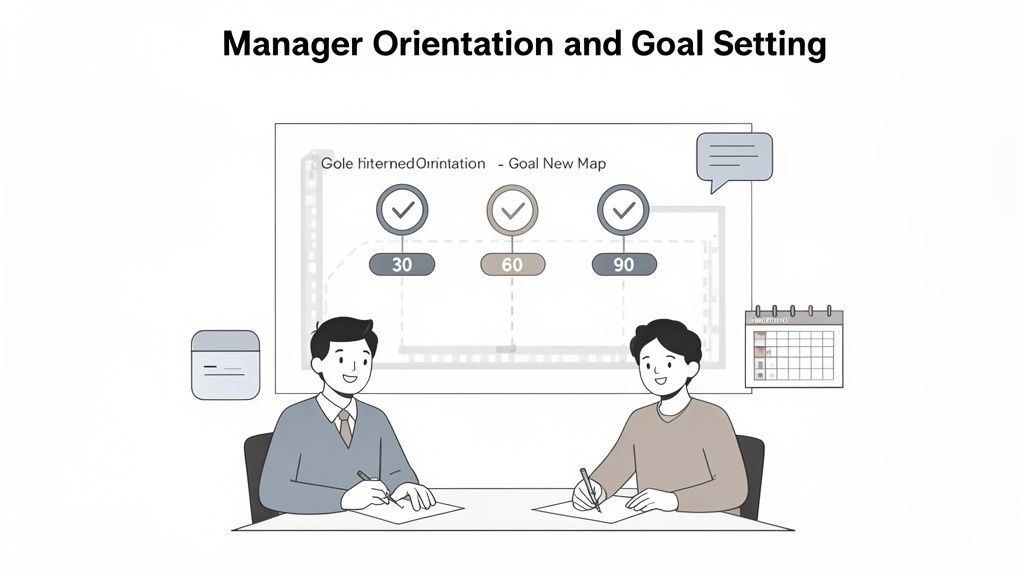
Structure the First 1-on-1: We create a "First 1-on-1 Agenda" template and assign it as a task to the manager. This ensures they cover introductions, role expectations, and the 30-day plan.
Document and Track Goals: We use tasks to create and assign specific 30, 60, and 90-day goals. We break down larger objectives into smaller, measurable tasks with clear due dates, creating a transparent roadmap.
Automate First-Week Feedback: We schedule a simple, 3-question pulse survey to be sent at the end of the first week. We ask things like, "How clear are your initial goals (1-5)?" and "Have you connected with your buddy?" This gives us immediate, actionable insight.
10-Point New Employee Onboarding Checklist Comparison
Item | Implementation Complexity 🔄 | Resource Requirements ⚡ | Expected Outcomes 📊 | Ideal Use Cases 💡 | Key Advantages ⭐ |
|---|---|---|---|---|---|
Pre-Arrival Communication & Welcome Package | 🔄 Low — content curation & coordination | ⚡ Low — comms, HR, Pebb Space setup | 📊 Faster acclimation; reduced first-day anxiety | 💡 Remote/distributed hires; staggered starts | ⭐ Positive first impression; quick rollout (single invite); mobile access |
System Access & Technology Setup | 🔄 Medium–High — SSO/integration complexity | ⚡ High — IT, provisioning, identity systems | 📊 Productivity day one; improved security posture | 💡 Knowledge workers, hybrid roles, secured systems | ⭐ Automated provisioning; role-based permissions; reduced onboarding delays |
Department & Team Introduction | 🔄 Low–Medium — scheduling & manager facilitation | ⚡ Moderate — manager time, meetings, profiles | 📊 Faster team integration; reduced isolation | 💡 Remote teams; shift-based groups needing team connection | ⭐ Searchable directory; video/async intros; buddy pairing |
Role-Specific Training & Responsibilities | 🔄 High — content creation and LMS integration | ⚡ High — trainers, multimedia, authoring tools | 📊 Consistent competence; tracked skill development | 💡 Frontline, regulated, or complex roles (retail, healthcare) | ⭐ Centralized training library; task tracking; mobile access |
Company Policies, Compliance & Documentation | 🔄 Medium — legal review & version control | ⚡ Medium — HR/legal, translations, governance | 📊 Auditability; consistent policy acknowledgment | 💡 Regulated industries; multi-site organizations | ⭐ Central repository; acknowledgment tracking; change control |
Benefits, Compensation & Payroll Setup | 🔄 Medium — HRIS/payroll integrations | ⚡ Medium–High — HR, payroll vendors, documentation | 📊 Accurate payroll; timely enrollment; fewer errors | 💡 All employees, especially with diverse benefit options | ⭐ Automated setup; clear enrollment guidance; deadline reminders |
Shift Scheduling, Clock-In & Time Tracking Setup | 🔄 Medium — scheduling rules & compliance | ⚡ Moderate — schedulers, mobile clock-in, training | 📊 Accurate timekeeping; fewer no-shows; regulatory compliance | 💡 Frontline/shift-based (retail, hospitality, healthcare) | ⭐ Mobile clock-in; real-time schedules; reduced time theft |
Emergency Contacts & Personal Information Verification | 🔄 Medium — secure collection & verification | ⚡ Moderate — secure storage, HRIS integration, compliance | 📊 Centralized secure data; faster verification; audit trail | 💡 Healthcare, finance, safety-critical roles | ⭐ Encrypted storage; role-based access; audit logs |
Culture Immersion & Engagement | 🔄 Low–Medium — ongoing leadership commitment | ⚡ Low–Moderate — comms, events, recognition tools | 📊 Increased belonging and engagement; higher retention | 💡 Distributed workforces; retention-focused onboarding | ⭐ Asynchronous culture building; recognition features; mobile inclusion |
Manager Orientation, Goal Setting & First-Week Engagement | 🔄 Medium — templates, cadence, analytics | ⚡ Moderate — manager time, HR templates, pulse tools | 📊 Clear expectations; early issue detection; better engagement | 💡 All hires; high-impact or fast-ramp roles | ⭐ Structured 30–60–90 plans; regular check-ins; engagement analytics |
Good Onboarding is Never Finished
Here’s the thing about a great onboarding process: it’s alive. It’s not a static document you dust off every few months. It's a system you refine with every new hire, every piece of feedback, and every time you realize there’s a better way to make someone feel like they belong. This onboarding checklist for new employees isn't the finish line. It’s the foundation.
The small details—like having a task list ready for their first day or a welcome message waiting in their team's space—are not just about efficiency. They are signals. They tell your new teammate, "We were expecting you, we're prepared for you, and we're genuinely glad you're here."
The Takeaway: It’s a Conversation
The real magic happens when you stop seeing onboarding as a series of boxes to tick and start seeing it as a conversation. A great first week doesn't guarantee a great career, but a confusing, disorganized one almost guarantees a short one. The initial 90 days are when a new hire decides if they’ve found a job or a community. Your process determines which one it will be.
The goal isn't just to get them up to speed. It's to integrate them into the fabric of the company, connect them with the people, and show them how their contribution fits into the bigger picture. When you get this right, you don't just reduce turnover. You build a more engaged, confident team from the ground up.
Your Next Step
So, what's next? Don't try to overhaul everything at once. Pick one area from the checklist that feels weak in your current process. Is it the pre-arrival communication? Could the first-day schedule be more welcoming? Start small. The most effective onboarding checklist for new employees is the one that constantly evolves.
Ultimately, great onboarding is an act of empathy. It's about remembering what it feels like to be the new person and designing a process that honors that experience. When you do that, you're not just filling a role. You're launching a successful career.
Tired of juggling spreadsheets, email threads, and forgotten tasks for every new hire? Pebb brings your entire onboarding checklist into one calm, organized place, from assigning IT setup tasks to sharing welcome videos in a team Space. See how you can build a better first day at Pebb.
