
Congratulations on Your Work Anniversary: 8 Real Ways
Go beyond a simple 'Happy Anniversary.' Get 8 message templates to say congratulations on your work anniversary with meaning—for managers, teams, and leaders.
Dan Robin
A few years ago, I watched two anniversary messages go out on the same morning. One was an auto-generated email with the employee’s name and start date. The other came from a manager who mentioned a brutal quarter, a customer issue the employee helped resolve, and the steady way they kept the team together. You can guess which one people talked about.
Work anniversaries shape how people interpret their time with your company. They can confirm that someone’s work mattered, or remind them that nobody was paying attention. Managers usually do not lose people because they skipped one message. They lose people by repeating the same small signal that a person is replaceable.
That is why anniversary recognition deserves more thought than a calendar prompt. The point is not to send something polished. The point is to make the employee feel seen, and to do it in a way that fits the team, the milestone, and the culture you are building.
The strongest anniversary messages tie recognition to something real. A contribution. A behavior other people rely on. Growth over time. For distributed teams and frontline teams, that takes more intention because good work is easier to miss when people are spread across shifts, locations, and devices. Tools like Pebb can help managers gather context and celebrate people publicly without turning recognition into another generic HR workflow.
The eight approaches below focus on the part that generic template lists usually miss. Why a message works, when to use each type, and how to make it feel credible. That is what turns “congratulations on your work anniversary” from a routine note into recognition people remember.
1. Personalized Achievement Recognition Message
A good anniversary message starts before you write a single sentence. It starts when you ask yourself, "What did this person change here?"
That question separates real recognition from polite noise. If someone spent the past year calming customers, fixing broken handoffs, training new hires, or carrying a launch through a messy week, put that in the message. Name the work. Name the standard they set. Name the moment people still remember.

This takes more effort than dropping in a template, but it pays off. Employees can tell when a manager wrote from memory and when they wrote from obligation.
Pebb helps with the memory part. A manager can review the employee’s profile, recent posts, completed tasks, shared files, and team activity to pull together details that would otherwise get missed, especially across shifts, locations, or remote teams. That gives you enough context to write something specific without turning recognition into an HR script. If you want phrasing help after you have the substance, these happy work anniversary sayings for different workplace situations are a useful starting point.
What to include
The messages that work usually include three things:
A concrete contribution: What did they improve, solve, organize, protect, or carry when the work got hard?
A credible human trait: Judgment, patience, consistency, calm, initiative, or follow-through.
A forward-looking line: Why their presence matters to the team next, not just what they did last year.
For example, a warehouse supervisor could write, “Congratulations on your work anniversary, Maya. You’ve become the person people trust when a handoff gets messy. You keep the shift moving, answer questions without making anyone feel small, and bring order back fast when the pace picks up. I’m glad this team gets to keep building with you.”
That message works because it proves the manager was paying attention.
Here is the standard I use. If you can swap in another employee’s name and the message still reads fine, rewrite it. Recognition should fit the individual, not the calendar.
2. Team-Wide Celebration Message
Private praise matters. Public praise does something different.
When you celebrate someone in front of the team, you’re not just honoring that person. You’re teaching the group what good work looks like and what the culture values. That’s why a team-wide anniversary post can be powerful when it feels earned.
For a retail team spread across stores, post it where everyone will see it at shift start. For a hospital department, share it in the unit’s Space so day and night teams can both join in. For a restaurant group, use the same post to connect locations that don’t usually overlap. Then tag the employee, add a photo if they’re comfortable with that, and invite colleagues to add their own notes.
Make the team part of it
A good public message is short enough to read and open enough for others to join.
Start with one clear line: “Congratulations on your work anniversary, Luis. Three years in, and your calm under pressure still sets the tone for the whole floor.”
Add one example: Mention a launch, a difficult stretch, or a quiet contribution the team respects.
Open the door: Ask coworkers to share a memory or thank-you in the comments.
This works especially well in distributed teams because visibility is usually the first thing to disappear. People in different shifts or locations often don’t know who’s carrying the team. A public anniversary post fixes some of that.
If you need wording ideas, Pebb’s guide to happy work anniversary sayings is a useful starting point. Just don’t stop at the template. The template gets you moving. The details make it real.
3. Milestone-Based Congratulatory Message
Not every anniversary should sound the same.
A first year is different from a fifth. A tenth is different again. The mistake most companies make is treating tenure like a flat line. It isn’t. The meaning changes as the employee’s relationship to the company changes.
Match the message to the milestone
The one-year mark deserves more attention than it usually gets. It’s often the first point where people step back and ask themselves whether they belong here. A Bersin & Associates summary shared by Bucketlist Rewards says organizations with formal work anniversary recognition programs had 31% lower voluntary turnover than those without structured programs. That’s a strong argument for not treating anniversaries like decoration.
Here’s the tone I’d use by stage:
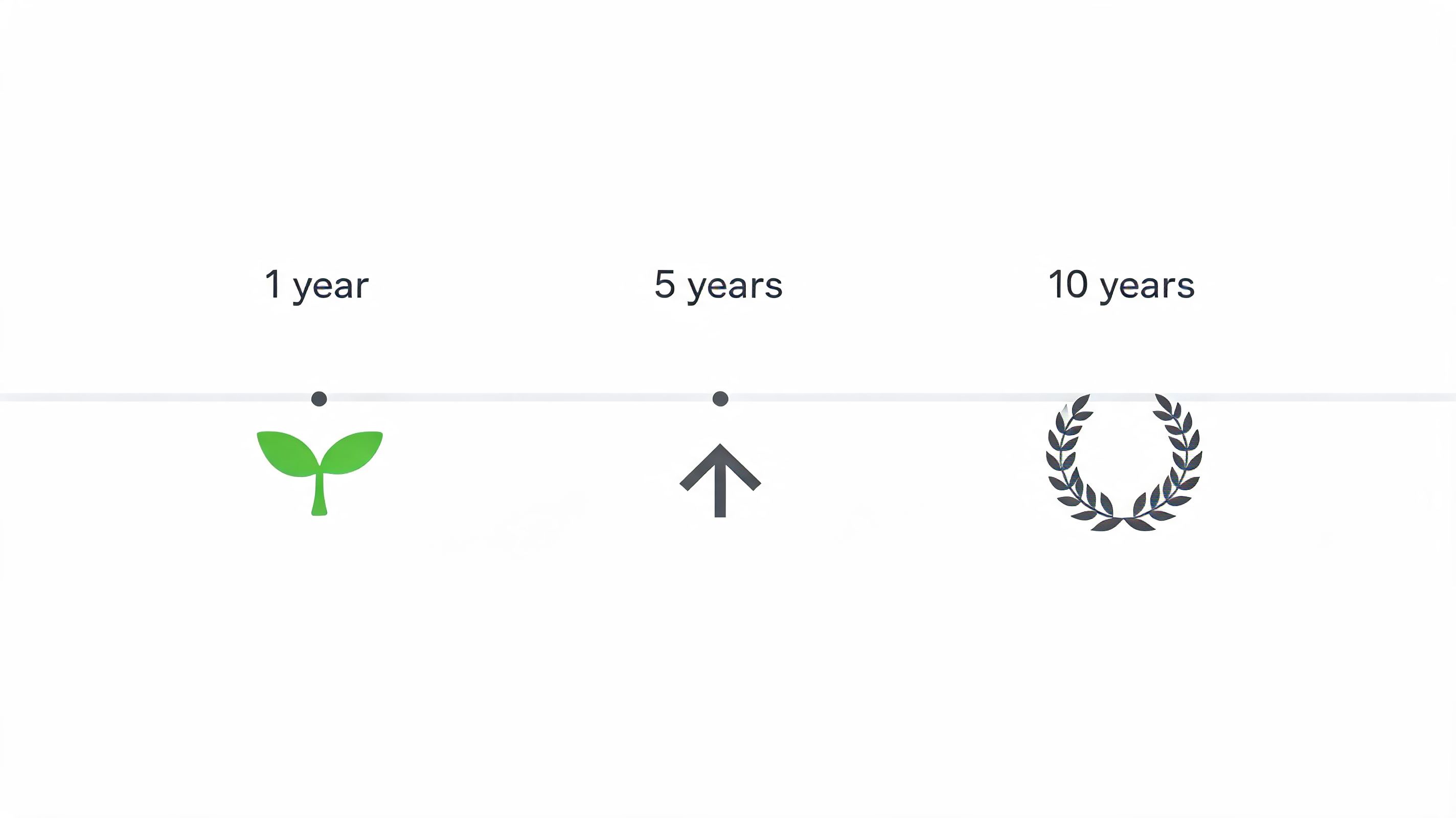
One year: Focus on adaptation, contribution, and what they’ve already become known for.
Five years: Recognize consistency, growth, and the trust they’ve built.
Ten years and beyond: Talk about legacy, cultural memory, and the standards they set for others.

A one-year note to a frontline associate might mention reliability on tough shifts and how quickly customers and coworkers came to trust them. A ten-year note to a logistics manager should sound weightier. It should reflect change, history, and the fact that they’ve helped shape how the place runs.
A milestone message should answer one question clearly: why does this year count?
If you use Pebb with HR integrations, automate the reminder, not the words. Timing can be automatic. Meaning can’t.
4. Peer-Nominated Recognition Message
Managers don’t see everything. Coworkers usually see the parts that matter most.
That’s why peer-nominated anniversary messages often land better than top-down praise alone. The best stories come from the people who shared the shift, covered the handoff, cleaned up the mistake together, or watched someone stay calm when everyone else was tired.
In practice, this can be simple. Two or three weeks before the anniversary, ask teammates for short notes. A store manager might ask, “What’s something Jenna does that makes your job easier?” A nursing lead might collect comments across day and night shifts. A warehouse team might gather notes from supervisors and floor staff, not just office leads.
What peers tend to notice
Peer input is strongest when you guide it a little.
Ask for moments, not praise: “Tell me about a time they helped” gets better answers than “share congratulations.”
Reach every shift: Recognition falls apart when only daytime voices are heard.
Group themes: Reliability, humor, mentoring, customer care, problem-solving. Those patterns tell a fuller story.
Then use those responses to build the final message. “Congratulations on your work anniversary, Tasha. Your team described you as the person who notices the dropped ball before it turns into a bad day. Three different coworkers mentioned how often you help new hires settle in without making them feel behind.”
For teams building a broader system around this, Pebb’s ideas for an employee recognition program can help you structure it without making it feel bureaucratic.
There’s another upside here. Peer-nominated recognition usually feels more believable because it isn’t polished. It sounds lived in. That matters.
5. Leadership Video or Voice Message
Some milestones deserve a face and a voice.
Text is efficient, but it can flatten emotion. A short video or voice note from a manager, department head, or founder can carry warmth that a paragraph often can’t. That doesn’t mean every anniversary needs a CEO cameo. It means the person giving the message should fit the moment.
A five-year anniversary for a restaurant general manager might call for a quick message from the regional leader. A ten-year anniversary for a long-serving technician might deserve a note from someone senior who can speak to the employee’s lasting impact. Keep it short, and keep it specific.
What works on camera
Thirty seconds of clear, sincere appreciation beats ninety seconds of corporate fog.
Name the person’s contribution: One example is enough.
Speak like a human: Drop the speech voice.
Record in a quiet place: Bad audio makes a thoughtful message feel careless.
Include a backup text post: Technology fails at the worst time.
A simple voice note shared in Pebb can work especially well for frontline teams who are already mobile-first. It’s easier to listen between tasks than to stop and read a long post.
If you need help creating polished but simple recordings, tools in this roundup of AI tools for automated video production can speed up editing and captions. Just don’t let production value take over. If the message feels manufactured, the whole point is lost.
The most effective leadership message sounds like someone paused their day because the employee matters, not because comms put it on a schedule.
6. Values-Aligned Congratulatory Message
I’ve seen anniversary messages fail in a very specific way. The note says someone “lives our values,” everyone clicks the emoji reaction, and nobody could tell you what that meant an hour later.
Values only matter when they show up in decisions, habits, and trade-offs. A work anniversary is a good moment to make that visible. Instead of praising the label, point to the behavior.
Turn values into proof
Skip lines like, “You embody our value of customer care.” Name the action, the context, and the effect.
A healthcare manager might write, “Congratulations on your work anniversary, Priya. You show patient-first care in the hardest moments. Families remember that you slow down and explain the next step clearly when they’re stressed, and new nurses trust you because you answer questions without making them feel small.”
That message works because it gives evidence. It also teaches the team what the value looks like on a normal Tuesday, not just in a poster or onboarding slide.
This approach gets more useful as organizations grow. In a warehouse, a manager might connect values to safe handoffs and clean incident reporting. In retail, it might be patience during a return that is already going sideways. In hospitality, it could be the employee who protects the guest experience without dumping extra strain on coworkers.
The trade-off is clarity versus cliché. Broad praise is faster to write. Specific praise takes more thought, and it is worth the extra five minutes because it turns recognition into culture-setting.
For distributed or frontline teams, post the message where people already work. A short values-based note in Pebb can help teams see patterns over time, especially if managers use the same few values consistently instead of inventing a new theme for every anniversary. If your managers struggle to connect praise to real behaviors, give them a simple framework from a development plan sample for managers and employees so recognition and coaching use the same language.
Done well, this kind of anniversary message honors one person and sharpens the standard for everyone else. That is the actual job.
7. Career Development and Growth-Focused Message
A good anniversary message looks back. A smart one also looks ahead.
People don’t only want to be thanked for what they’ve done. They want to know whether there’s a future for them here. That’s especially true for strong employees in frontline roles who often get praised for reliability but rarely get a real conversation about growth.
Recognition with a next step
This doesn’t need to turn into a promotion promise. It should become a signal that someone sees potential and is willing to discuss it.
A store supervisor might say, “Congratulations on your work anniversary, DeShawn. Over the last year you’ve become the person newer team members copy, especially during busy handoffs. I’d like to talk with you about whether team lead responsibilities would interest you over the next stretch.”
That kind of message does more than flatter. It connects effort to possibility.
Maritz research, summarized in Donut’s guide to celebrating anniversaries, found that companies with high-quality milestone programs retain employees an average of two years longer than those without them. The reason makes sense. Recognition works better when it doesn’t treat people like finished products.
Use the anniversary to schedule a follow-up conversation. Point the employee to training, internal documentation, or a development path. If you keep career plans in one place, even better. Pebb’s guide to a development plan sample is useful if managers need structure for that next conversation.
Recognition says, “We value what you’ve done.” Development says, “We can see where you could go.”
You want both.
8. Inclusive Multi-Language or Accessibility-Focused Message
Recognition doesn’t count as inclusive just because it was posted publicly.
If your team spans languages, locations, reading preferences, or shift patterns, then the format matters as much as the sentiment. A beautiful anniversary post in one language, sent during one time zone’s workday, isn’t thoughtful. It’s convenient for the sender.
This matters a lot on frontline teams. The existing advice online usually assumes desk-based workers with regular schedules. That misses a big piece of the workforce. In the reference summary provided for this topic, frontline employees are described as making up 80% of the global workforce, and workers in those settings are less likely to receive tenure acknowledgment even though personalized recognition has a strong effect on retention.
Make it reachable, not just visible
A few practical adjustments go a long way:
Use plain language: Skip idioms, inside jokes, and culture-specific references.
Add captions and transcripts: If you share a video or voice note, make it readable too.
Time it for real schedules: Post when the employee and their peers are working.
Check translation quality: If the message is multilingual, ask a native speaker to review it.
A multilingual congratulations on your work anniversary post for a warehouse employee might include a short English message, a translated version in the employee’s primary language, and an audio note they can play during a break. For a global retail team, the same announcement might be reposted by region so coworkers can respond during their own workday.
This isn’t overkill. It’s respect. And in mixed teams, tone matters. The same source material for this article notes that casual or humorous messaging can miss badly in diverse frontline environments when it doesn’t fit the audience. Better to be warm and plain than clever and off.
8-Point Work Anniversary Message Comparison
Approach | 🔄 Complexity | ⚡ Resource requirements | 📊 Expected outcomes | 💡 Ideal use cases | ⭐ Key advantages |
|---|---|---|---|---|---|
Personalized Achievement Recognition Message | Medium, requires manager knowledge and customization | Moderate, manager time + Pebb analytics access | Higher engagement, morale, visible concrete feedback | High performers, project-specific anniversaries, small teams | Highly authentic and specific; strengthens manager relationships |
Team-Wide Celebration Message | Low, simple Space announcement process | Low, post + optional media (photo/graphic) | Improved team cohesion and peer recognition metrics | Department or shift-wide milestones, hybrid/distributed teams | Scalable, inclusive, cost-effective for broad visibility |
Milestone-Based Congratulatory Message | Medium, needs HR coordination and templates | Moderate, HR systems + automation setup | Strong retention signals and clear career progression data | Enterprise-level tenure programs and formal milestones (5,10 yrs) | Systematic, automatable, aligns with HR retention goals |
Peer-Nominated Recognition Message | High, coordinates collection and synthesis of testimonials | High, nomination forms, aggregation, moderation time | Authentic social validation; reveals informal leaders | Teams seeking culture-building and cross-shift recognition | Very authentic and participatory; builds trust and belonging |
Leadership Video or Voice Message | Medium–High, recording logistics and leader availability | Moderate–High, leadership time + AV setup, platform support | High emotional impact and memorability; strong engagement | Major milestones, senior staff recognition, company-wide events | Exceptional emotional resonance; signals senior attention |
Values-Aligned Congratulatory Message | Low, drafting to map behaviors to values | Low, references from Knowledge Library, minor editing | Reinforces culture and expected behaviors across org | Purpose-driven orgs, onboarding, culture reinforcement campaigns | Clarifies values in action; consistent cultural messaging |
Career Development and Growth-Focused Message | Medium, requires personalized development references | Moderate, manager time + training/resources coordination | Increases retention, prompts development conversations | High-potential employees, succession planning, growth-focused staff | Forward-looking, retention-oriented; ties recognition to development |
Inclusive Multi-Language / Accessibility-Focused Message | High, translation, accessibility testing, scheduling | High, translators, captioning, localization, QA | Broader, equitable engagement across languages and abilities | Global/multilingual frontline workforces and 42+ country deployments | Equitable and compliant; ensures all employees are included |
The Real Point of an Anniversary
A few years ago, I watched two anniversary messages land on the same day. One was polished, public, and completely forgettable. The other was a short note from a manager who named one hard project, one quiet habit, and one reason the team ran better because that person showed up. Everyone could tell which one mattered.
The format is rarely the deciding factor. A public post can work. A voice note can work. A private message with one honest paragraph can work. What people remember is whether someone took the time to notice specific effort, progress, or character.
There is a business reason to care about this, but treating anniversaries as a retention hack misses the point. Good recognition helps people connect their daily work to a larger story about contribution, trust, and growth. In high-turnover teams, that matters. In stable teams, it still matters, because people want evidence that their work is seen before they start wondering if it is invisible.
I have seen anniversary recognition do two very different jobs. The weak version marks time served. The stronger version explains why that time counted. It reminds someone what they have built, how they have influenced the team, and where they still have room to grow. That is useful management.
Tools help with the logistics. Distributed and frontline teams need a reliable way to coordinate posts, gather peer input, record a quick leadership message, and make sure no one gets missed across shifts or locations. Pebb can support that by keeping profiles, chat, team spaces, announcements, files, and activity in one place. The system makes recognition easier to deliver. The manager still has to make it worth reading.
That is the standard I use. Say something the employee could not get from a template. Mention the contribution their teammates rely on, the behavior that reflects your values, or the progress that deserves a bigger next step.
If you want a quick outside reminder that recognition affects morale and connection at work, this piece on the benefits of recognizing employees is a useful read.
Anniversaries are recurring moments of proof. Use them to tell the truth about what a person’s presence has meant.
