
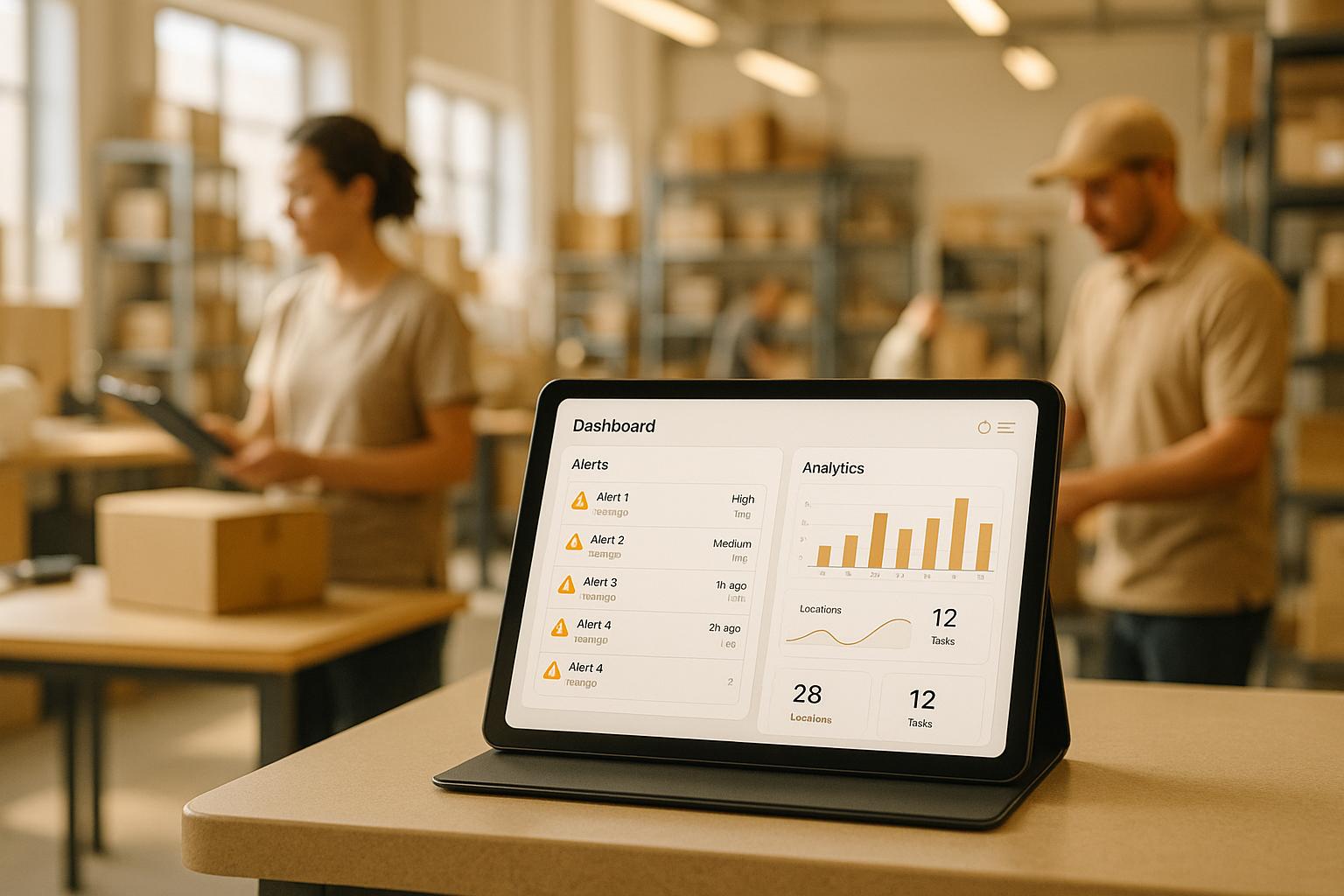
Author: Ron Daniel
How to Keep Frontline Teams in the Loop - Even Without Desks
Mobile-first tools, real-time alerts, offline access, and analytics to keep deskless frontline teams informed and productive.
Have you ever sent an urgent update to your team, only to find out hours later that no one saw it? I have, and let me tell you, it’s one of the most frustrating moments as a manager. A few months ago, we had a last-minute shift change at a retail location. I sent the update via email, thinking, “Problem solved.” But by the time the team actually saw it, we were already dealing with customer complaints and scrambling to cover the gap. Sound familiar?
Here’s the reality: frontline workers don’t live in their inboxes. They’re stocking shelves, helping customers, or rushing between tasks. Traditional tools like email just don’t cut it for teams on the move. And when communication breaks down, the ripple effects are massive - missed updates, frustrated employees, and costly mistakes.
That’s why we built Pebb. It’s a mobile-first platform designed to meet frontline teams where they are - on their phones, in the middle of their shifts, juggling a million things at once. In this guide, I’ll show you how we’ve tackled the biggest communication challenges for frontline teams and how you can do the same. Let’s dive in.
Using Mobile-First Platforms to Connect Your Team
Let me tell you a little secret about frontline teams - whether they're running the warehouse, assisting patients, or serving tables, their smartphone is their lifeline. It’s not just a gadget; it’s their connection to everything happening at work. And that’s exactly why mobile-first platforms are such a game-changer. These aren’t just desktop tools squeezed into a mobile app; they’re built specifically for people on the move, designed to work seamlessly on a small screen whether you’re walking, standing, or sneaking a quick break.
What Makes a Great Mobile-First Tool?
Here’s the thing: not all mobile apps are created equal. Some promise a lot but end up being clunky or incomplete. If you’re serious about keeping your team connected, you need to look for tools that go beyond the basics. Here’s what I’ve learned makes a difference:
Real-time messaging: Quick questions, urgent clarifications, or task coordination - instant messaging is a must. Features like group chats, direct messages, and the ability to share photos or files directly from a phone make communication effortless.
A central news feed: Forget digging through endless emails. A single feed for updates like new policies, announcements, shift changes, or recognition posts keeps everyone informed without overwhelming them.
Built-in task and shift management: Why make your team juggle multiple apps? A good tool lets them see assignments, schedules, and even submit time-off requests all in one place.
Voice and video calls: Sometimes, a quick call beats a long string of texts. Having this built into the platform saves time and avoids the hassle of switching to another app.
The problem with most platforms? They make you piece everything together - messaging in one app, scheduling in another, and task management in yet another. It’s inefficient, not to mention frustrating. That’s why we built Pebb to be an all-in-one employee app for communication and operations.
How Pebb Simplifies Communication for Frontline Teams
At Pebb, we didn’t just create another tool; we built something that truly works for frontline teams. Picture this: your team opens the app in the morning and instantly sees their schedule, checks the news feed for updates, responds to messages, marks off completed tasks, and even submits a vacation request - all without hopping between apps. It’s one connected, easy-to-use space.
And here’s the kicker: our Standard plan is completely free for up to 15 employees. Yep, free. That includes unlimited message history, the news feed, task lists, digital forms, calendar events, clock in, shift schedules, PTO management, and more. No catches, no limited features - just everything your team needs to stay connected.
When you’re ready to take it up a notch, our Premium plan is just $4 per user per month. It adds advanced analytics, enhanced chat features, voice and video calls, premium support, and integrations with your existing systems. Compare that to competitors like Slack (around $7.25 per user per month) or Microsoft Teams (starting at $6 per user per month with tools better suited for desk jobs), and you’ll see why teams are switching to Pebb. Other platforms like Workvivo or Staffbase? They’re priced for enterprise budgets, often $5-$10+ per user per month - and still don’t deliver everything in one place.
Designed for Frontline Workflows
We built Pebb with frontline teams in mind. The interface is simple - no need for training manuals - and notifications are smart, so your team only gets alerts that matter. Everything syncs across devices, so whether someone checks Pebb on their phone during a shift or logs in on a tablet at home, they’re always up to date.
Here’s how different teams use Pebb:
Retail associates can check their schedule while commuting.
Healthcare workers get critical updates the moment they’re posted.
Delivery drivers confirm task completion from their trucks.
Restaurant staff swap shifts with a few taps during a break.
And it’s not just for one industry. Whether you’re in retail, healthcare, hospitality, logistics, or manufacturing, Pebb bridges the communication gap. It’s versatile enough to work for a nurse, a warehouse supervisor, or a hotel front desk agent.
Choosing a mobile-first platform like Pebb isn’t just about tools - it’s about showing your frontline teams that they matter. It’s about meeting them where they are and giving them the same level of connection and support as anyone else in your organization. And trust me, that makes all the difference.
Sending Critical Updates with Real-Time Alerts
Let’s face it - frontline teams don’t have the luxury of sitting at a desk, refreshing their inbox for updates. They’re constantly on the move, juggling tasks, shifts, and everything in between. That’s why real-time alerts are a game-changer. When something critical happens - like a shift change, a safety announcement, or a sudden policy update - these alerts ensure the right people get the message exactly when they need it.
Using Push Notifications to Cut Through the Noise
Push notifications are like a direct line to your team’s pocket. They pop up on lock screens, grab attention instantly, and don’t depend on someone actively using an app at the moment. But here’s the key: not all notifications are created equal. Bombarding your team with unnecessary pings can backfire, leading to important updates being ignored. That’s where targeting comes in.
At Pebb, we’ve built our platform with frontline teams in mind. Managers can send notifications to specific groups or individuals, ensuring that only the people who need to know get the alert. This keeps communication sharp and avoids the dreaded notification overload. It’s all about delivering the right message to the right person at the right time.
And the best part? These alerts don’t just stop at notifications - they seamlessly tie into the tools your team uses every day.
Connecting Alerts with Task and Shift Management
Here’s where things get really efficient. Imagine receiving an alert about an unexpected shift change or an updated task priority, and it’s already linked to the relevant schedule or task details. No more jumping between apps or chasing down confirmations. With Pebb, alerts are integrated directly into shift and task management tools, creating a unified system that keeps everything in sync.
In fast-paced workplaces, this kind of integration is invaluable. It means that when something changes - whether it’s a shift adjustment or a new task assignment - everyone is on the same page, instantly. No missed messages, no confusion, just clear, actionable updates that keep the team moving forward.
Real-time alerts aren’t just about speed; they’re about precision. By delivering timely, targeted, and actionable information, they ensure that frontline teams stay connected and informed, no matter where they are or what they’re doing.
Handling Language and Accessibility Barriers
Frontline teams are a melting pot of diversity. Many of them speak different languages, have little experience with corporate email, or find complex digital tools intimidating. Ignoring these realities? That’s a recipe for confusion and disengagement. When communication doesn’t reach everyone, it’s not just a missed memo - it’s a missed opportunity to keep your team informed and performing at their best.
Here’s the thing: it’s not just about translating a memo into another language. It’s about creating a system that works for everyone - no matter their language skills, comfort with technology, or access to devices. When you get this right, you’re not just sharing information; you’re building a team that feels included and connected. And trust me, technology plays a big role in breaking down those barriers.
Enhancing Accessibility with Technology
Language differences can twist even the clearest messages into knots. At Pebb, we’ve made it our mission to cut through that noise. Our approach focuses on delivering communication that’s straightforward and easy for everyone to understand. Instead of overloading our platform with complicated tech features, we’ve prioritized simplicity and usability.
But accessibility doesn’t stop at language. Some team members might face visual or reading challenges. That’s why we’ve built in features like compatibility with screen readers, adjustable text sizes, and clean, easy-to-navigate layouts. These aren’t just nice-to-haves - they’re essential for making sure every employee feels seen and supported.
Making Communication Work for Non-Digital Users
Let’s be honest: not everyone on the team is a tech whiz. Some might even feel downright overwhelmed by apps packed with too many bells and whistles. That’s why a communication strategy has to be so simple that anyone can pick it up and use it.
With Pebb’s mobile-first design, we’ve made sure that the most critical communication tools are just a tap away on a smartphone. The platform’s intuitive interface - think clear icons, easy-to-follow menus, and direct calls-to-action - makes it accessible even for employees who aren’t tech-savvy. And for those moments when digital access isn’t an option? We’ve got backup solutions like printed QR codes or team leads who can relay updates in person. The goal is simple: no one gets left out, no matter their level of digital proficiency. It’s all about keeping the whole team connected and in the loop.
Connecting Communication with Daily Workflows
Picture this: a frontline worker juggling multiple apps just to get through their shift. They’re checking one app for the schedule, another for tasks, and yet another to message their manager. It’s a chaotic dance that disrupts their flow and leaves plenty of room for things to fall through the cracks. That’s the reality for so many teams, and honestly, it’s exhausting.
At Pebb, we’ve reimagined how communication integrates with daily workflows, and the results speak for themselves. By combining messaging, scheduling, and task management into one seamless system, we’ve made it easier for teams to stay on top of their work without skipping a beat. Let me walk you through how it works.
Combining Tasks, Schedules, and Messaging
Let’s be real - fragmented tools are productivity killers. Imagine a retail associate starting their day. They check one app to confirm their shift, get a text about a last-minute schedule change, switch to another app for their task list, and then scramble to find their manager to clarify instructions. It’s a mess, and it wastes time they don’t have.
Now, contrast that with an integrated system. They open Pebb in the morning and see everything they need right there. Their shift starts at 9:00 AM, they’ve got a task to restock the front display, and there’s a quick note from their manager about a new promotion launching today. They can confirm the update, check off their task when it’s done, and even message a teammate - all without leaving the app. No app-hopping, no confusion, just smooth sailing.
We’ve built Pebb to mirror how people naturally work. Think about it: when you’re on the move, you don’t want to stop and jump between tools. A warehouse worker, for example, should be able to mark a task complete and immediately message the dispatcher about the next job - all in one place. That’s the kind of flow we’re delivering with our platform.
How Pebb Keeps Teams Connected on the Go
Here’s the philosophy behind Pebb: one app, one source of truth. For teams constantly on the move, this eliminates the chaos of scattered tools and ensures everyone’s on the same page.
Let me break it down. Say you’re a restaurant manager using Pebb. You open the app, see the day’s schedule, and post an update in the team chat about a shift that needs coverage. The team sees it instantly, adjusts as needed, and everything happens within the same app. No chasing people down, no missed updates. It’s the same story whether you’re in retail, logistics, or any other fast-paced environment.
Here’s what makes it work:
Integrated Shifts and Messaging: Schedule changes trigger notifications directly in the chat, and team members can swap shifts with built-in approval workflows. No need to juggle separate tools.
Task Management in Sync: Tasks are tied to schedules and communication, so managers can assign work based on who’s on shift, and employees can ask questions or report issues without switching apps.
Mobile-First Design: Everything happens on the devices your team already carries. Whether they’re on the sales floor, in a warehouse, or out in the field, they have full access to schedules, tasks, and team communication in real time.
This setup doesn’t just save time - it reduces stress. Instead of trying to remember which app to check for what, your team develops one simple habit: open Pebb. Everything they need is right there: what to do, when to do it, and who to talk to. Managers spend less time fielding repetitive questions because the answers are already visible.
And the best part? Our Premium analytics tie it all together. We can see which tasks are getting done on time, how quickly teams respond to messages, and where things might be slowing down. This kind of visibility helps us fine-tune workflows and keep everything running smoothly.
With Pebb, frontline teams stay connected and in sync because all the tools they need are in one place. It’s not just about making work easier - it’s about making it seamless. And when everything flows naturally, everyone wins.
Handling Connectivity Challenges with Offline Access
Let’s face it - losing signal can be a nightmare. Whether you’re working in a warehouse, driving a rural delivery route, or stuck in a spot with weak reception, staying connected is non-negotiable. But here’s the thing: what do you do when the internet isn’t cooperating?
At Pebb, we’ve got your back. We’ve designed our platform to keep your team connected and productive no matter their location. This isn’t just a feature; it’s part of our bigger mission to keep communication flowing without interruptions.
Planning for Low-Connectivity Scenarios
If your team operates in areas where signal strength is unreliable, choosing the right communication tool is a game-changer. Here’s what to look out for:
Reliable mobile access: Make sure the system allows access to critical content - like messages, schedules, and tasks - right when your team needs it. It’s not enough to just “store” data; it needs to be ready when you need it.
Smooth syncing: Check how updates are handled when connectivity returns. Does the system automatically sync in the background, or will your team need to manually refresh? A hassle-free sync process can save time and prevent confusion.
Real-world testing: Don’t just rely on promises - put the platform to the test in actual low-signal environments. Whether it’s the farthest corner of your warehouse or the back of a delivery truck, see how it performs where it matters most.
Data efficiency: For teams with limited data plans or working in areas with sluggish internet, a tool that minimizes data usage during syncing can make all the difference.
By keeping these points in mind, you can ensure your team has the tools they need to stay connected, even when the signal drops.
How Pebb Keeps Teams Connected on the Go
Here’s how we’ve built Pebb to shine in fast-moving environments. With schedules, messages, tasks, and more all in one place, your team can stay aligned and up to date without any extra effort.
Picture this: you’re in a remote area or a dead zone in your facility. Instead of stressing about missed updates, you can focus on the job at hand, knowing Pebb has you covered. Plus, we’ve kept the experience simple and mobile-friendly so your team can stay productive throughout the day.
This isn’t just about convenience - it’s about trust. When your team knows they can count on Pebb to deliver critical info, even in low-connectivity situations, they can stay focused and productive all day long. It’s just another way we’re committed to keeping communication smooth and uninterrupted, no matter where the job takes you.
Measuring Communication Success with Analytics
You know the saying, "You can't improve what you don't measure", right? Well, that couldn’t be truer when it comes to keeping frontline teams connected. If you’re pouring time and resources into communication, you’ve got to know if it’s actually making a difference. Are your updates cutting through the noise? Are people engaging with them?
Here’s the good news: with the right tools, you don’t need to spend hours buried in spreadsheets or manually crunching numbers. Analytics can show you what’s working and what’s not - quickly and clearly. Let’s talk about how engagement metrics can fine-tune your strategy.
Using Engagement Metrics to Fine-Tune Communication
Engagement metrics are like a pulse check for your communication. They tell you if your team is not only seeing your messages but also acting on them. That said, not all metrics are equally useful. Tracking the wrong ones? It’s like following a broken compass. Let’s break down the ones that actually matter:
Read rates: These show whether your messages are being seen. If the numbers are low, it might signal that your subject lines aren’t grabbing attention or that your timing is off. For teams working staggered shifts, when you send a message can be just as important as what you say.
Response rates: This measures engagement beyond just reading. Are people replying to safety updates or shift swap requests? If not, your messages might be too long, too confusing, or just not relevant to their day-to-day work.
Adoption rates: This metric tells you if your team is actually using the communication platform. If only 40% of your workforce logged in last week, it’s a red flag. High adoption rates usually mean the tool is easy to use and genuinely helps people - not just another app they feel forced to download.
Time-to-read metrics: Timing can reveal a lot about your team’s habits. If most people read updates within an hour, that’s a sign they’re staying on top of things. But if messages sit unread for days, it might be time to rethink how you send notifications - or make your content more urgent.
Feedback loops: Sometimes, the simplest approach works best. Quick polls or reaction buttons can give you instant feedback, and they’re far less daunting than long, tedious surveys.
By combining these metrics, you can get a full picture of how effective your communication really is. For example, a high read rate but a low response rate might mean people see your messages but don’t find them actionable. Or, if adoption rates are low but active users are engaged, it’s time to focus on onboarding rather than tweaking your content.
How Pebb Helps Monitor and Improve Engagement
At Pebb, we’ve made it our mission to take the guesswork out of communication. That’s why we built analytics right into our platform - it’s like having a flashlight in a dark room. You don’t need a data science degree to figure out what’s going on; our dashboard lays it all out for you.
Here’s what you can do with Pebb’s analytics:
Track who’s reading what - and when: If you send out a critical safety update at 8:00 AM, you’ll know by 9:00 AM exactly how many people have seen it. And if someone hasn’t? You can follow up directly instead of assuming they got the message.
Dive into engagement reports: These reports break down how different teams interact with your content. Maybe your warehouse team prefers quick videos, while your retail staff loves written updates with photos. Knowing this helps you tailor your communication to fit each group.
Monitor feature usage: Are people using the shift swap feature? Checking the knowledge library? Joining company groups? This data shows which features are valuable and which might need better promotion or training.
Leverage real-time analytics: For urgent updates - like a last-minute schedule change or a weather-related closure - you can watch read rates climb in real time. You’ll know exactly who still needs a follow-up call or text.
What really sets Pebb apart is how it transforms data into actionable insights. For example, if engagement drops every Friday afternoon, our analytics will flag it. If certain types of content perform better than others, you’ll see it clearly in the reports.
And for those on our Premium plan (just $4 per user per month), you get even more firepower. Advanced features give you analytics, unlimited admins, permissions control, advanced work chat, advanced posts, voice and video calls, premium SLA support, integrations, and enterprise SSO. What used to require pricey enterprise software is now accessible and affordable.
At the end of the day, good analytics turn guesswork into strategy. With Pebb, you don’t have to wonder if your communication efforts are paying off - you’ll know. And better yet, you’ll have the tools to keep improving.
Conclusion
Bringing frontline teams together - those without desks or constant access to computers - isn't just a nice-to-have; it's a must. These are the folks keeping your business running, whether they're navigating the aisles of a retail store, managing tasks on a warehouse floor, or tackling jobs out in the field. Leaving them out of the loop can chip away at both their morale and your team's overall productivity.
Throughout this guide, I’ve shared strategies that actually work. Here’s the rundown:
Mobile-first platforms put everything your team needs right in their hands - literally.
Real-time alerts cut through the noise, ensuring critical updates don’t get lost in endless email chains.
Accessible communication bridges language gaps and works for everyone, no matter how tech-savvy they are.
Workflow integration ties messaging directly to schedules, tasks, and day-to-day operations, so nothing slips through the cracks.
And mobile-first access keeps things rolling smoothly throughout the workday.
And analytics let you see what’s clicking with your team and what might need a little adjustment.
The best part? You don’t need a patchwork of apps to pull this off. Jumping between tools for scheduling, messaging, and task management only creates more chaos. Let’s be real - your frontline teams already have enough on their plates without adding another layer of complexity.
That’s exactly why we built Pebb. It’s one platform where all your frontline communication and operations tools come together seamlessly. Whether someone’s clocking in from their phone during a quick break or checking updates on a tablet between shifts, Pebb keeps everyone connected and in sync.
Here’s the kicker: Pebb’s Standard plan is completely free for teams of up to 15 employees. If you’re looking for advanced features, our Premium plan is just $4 per user each month. It’s time to give your frontline teams the clear, reliable communication they deserve. With Pebb, you’re not just choosing a tool - you’re choosing simplicity, efficiency, and value. Let’s make it happen.
FAQs
How does Pebb keep frontline teams updated in real time without overwhelming them with notifications?
Pebb is all about keeping frontline teams in the loop without overwhelming them. With customizable notification settings, employees can decide what updates they want to see and how they prefer to get them. This way, they’re always in the know about what matters most - without drowning in a flood of alerts.
What makes it even better? The mobile-friendly news feed and group-specific updates. These features ensure that communication is tailored to fit each team’s unique needs. It’s about staying connected and engaged while cutting out unnecessary noise, keeping everything running smoothly and efficiently.
Why is Pebb's mobile-first platform a better fit for frontline workers compared to traditional tools like email?
Pebb was built with frontline workers in mind - those folks who are constantly on the move and rarely have the luxury of a traditional desk setup. Let’s face it, email just doesn’t cut it for quick, real-time communication. That’s where Pebb steps in, offering instant updates, a mobile-friendly app that’s easy to navigate, and streamlined workflows to keep everyone connected and in the loop, no matter where they are.
Here’s what sets Pebb apart: it’s packed with features like work chat, voice and video calls, news feeds, and a people directory. These tools make it simple to communicate and collaborate without the usual headaches. And the best part? The premium plan is just $4 per user per month. That’s right - an affordable way to give your frontline teams the tools they need without stretching your budget thin.
How does Pebb make communication easy for team members with different language skills or tech experience?
Pebb was built with a clear mission: to connect every team member, regardless of their tech know-how or language barriers. One of the standout strengths is its simple, intuitive design, letting employees communicate comfortably and stay aligned with their team. And let me tell you, the platform's design? It’s so simple and intuitive that even the least tech-savvy among us can find their way around without a hitch.
What really sets Pebb apart is how it caters to the needs of frontline teams and busy employees. With work chat, tasks, shift scheduling, digital forms, calendar events, and clock in built right in, the workflows are perfect for those constantly on the move. It’s all about making sure everyone - no matter their role or location - has the tools to stay connected and in the loop. Pebb doesn’t just talk about inclusivity; it delivers it in a way that’s practical and easy to use.
